Step 1: The 19 aa Lock-Tag binds in the Connectase enzymatic tunnel.
- Short Tag
- Highest Specificity
- Fast at Low Concentrations

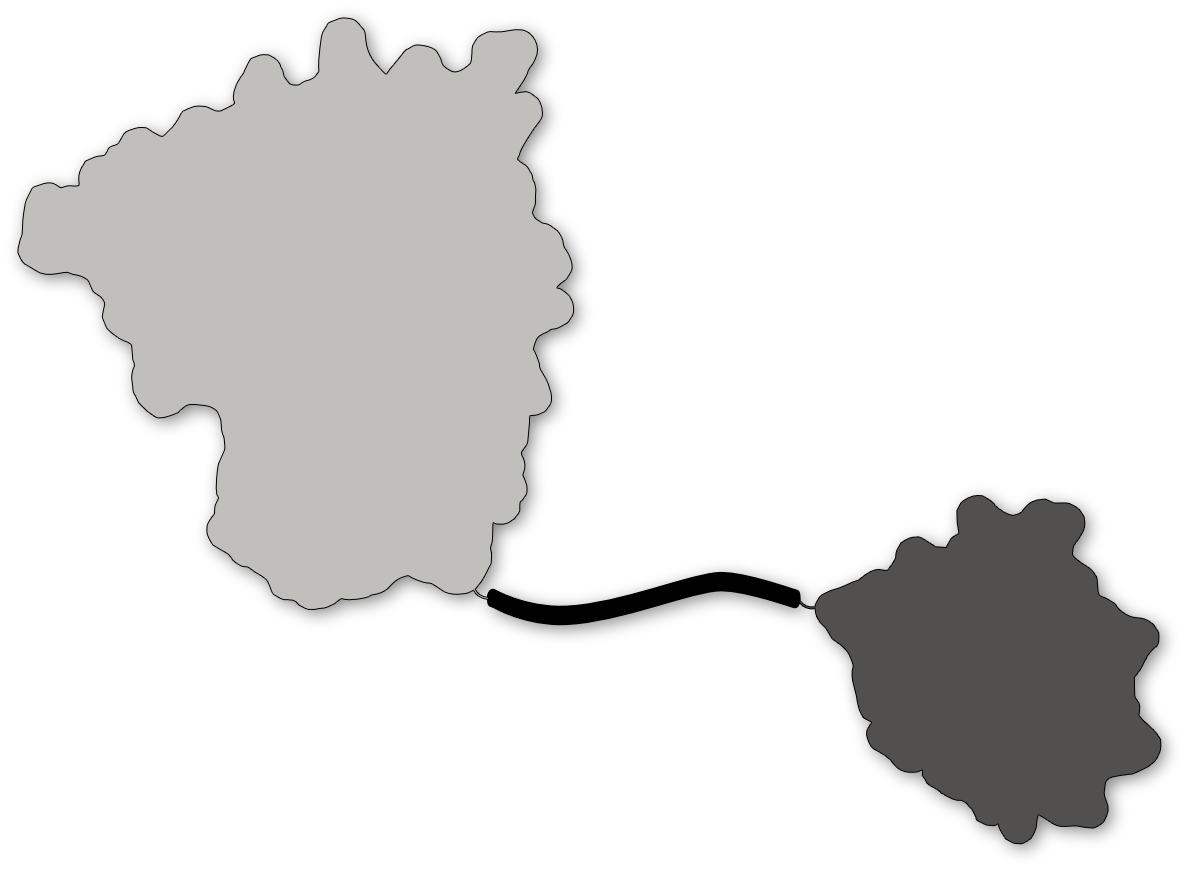 Protein-protein fusions
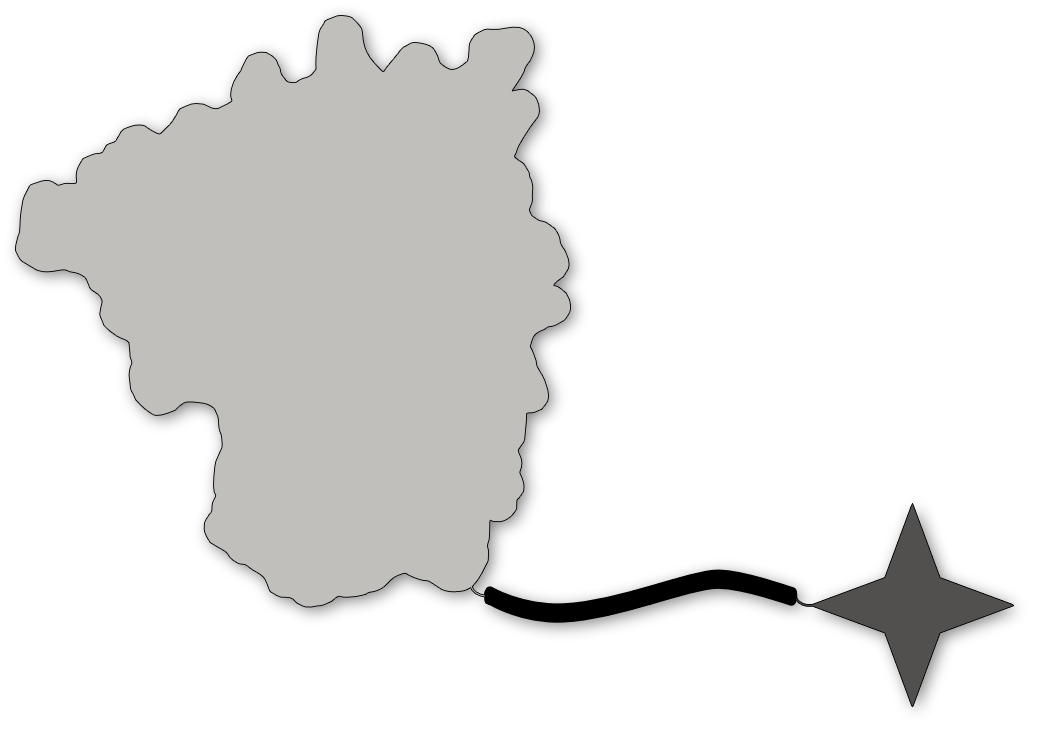 Labelling & detection
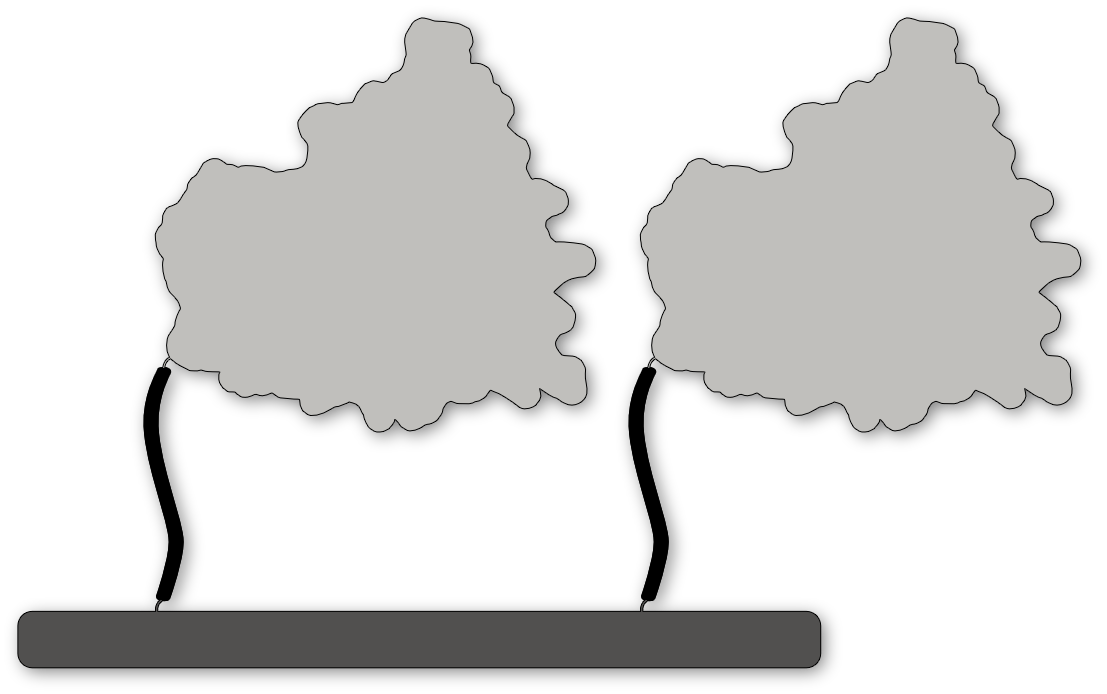 Surface immobilization
Bioconjugation is the foundation of modern research and next-generation therapeutic conjugates. Yet the field is still dominated by chemical methods, which cannot modify complex proteins completely and site-specifically at once. Multi-step processes get closer, but they cost time and effort, and the underlying problem persists. This is a biological problem, and it calls for a biological answer. Yet the biological tools available so far cannot replace chemistry: they leave extra structures at the fusion site, or they struggle with side reactions and reversibility. The field is missing the one enzyme that ligates two fusion partners and nothing else.
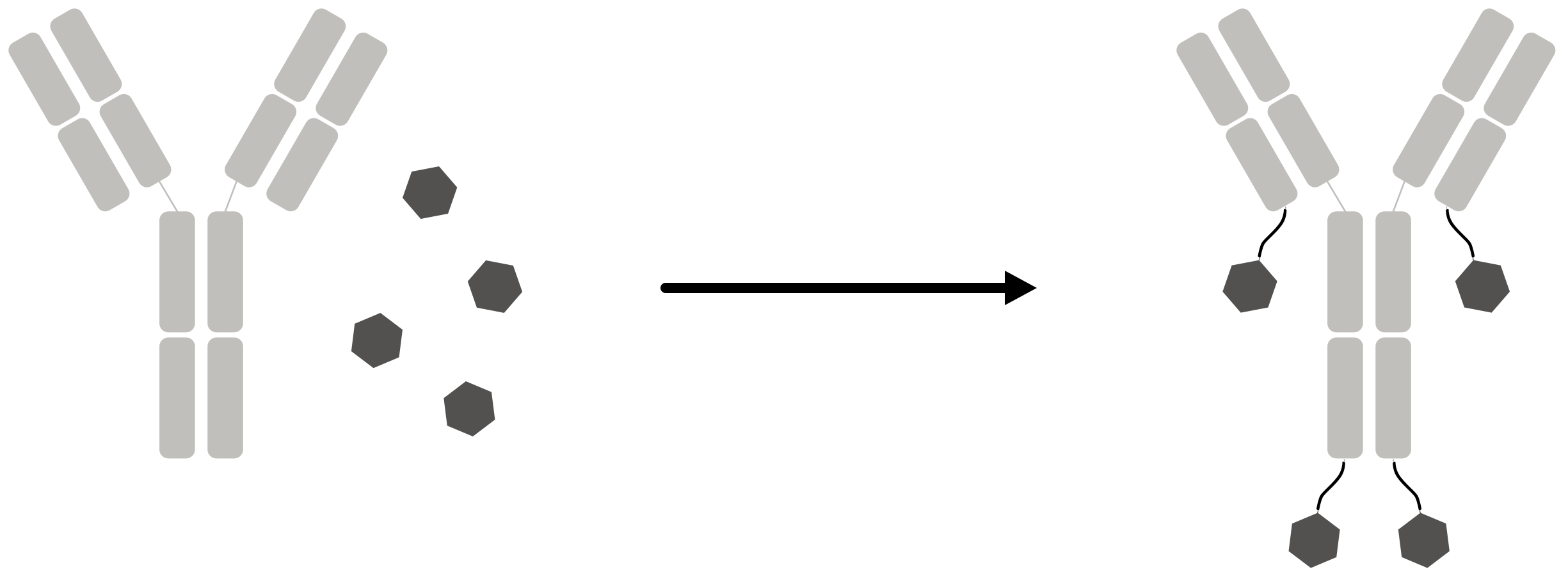
Current conjugation methods yield heterogeneous products, compromising both R&D and drug development. A typical reaction gives a mixture: conjugates with different numbers of payloads at different positions, alongside leftover starting material and by-products. Four problems cause this:
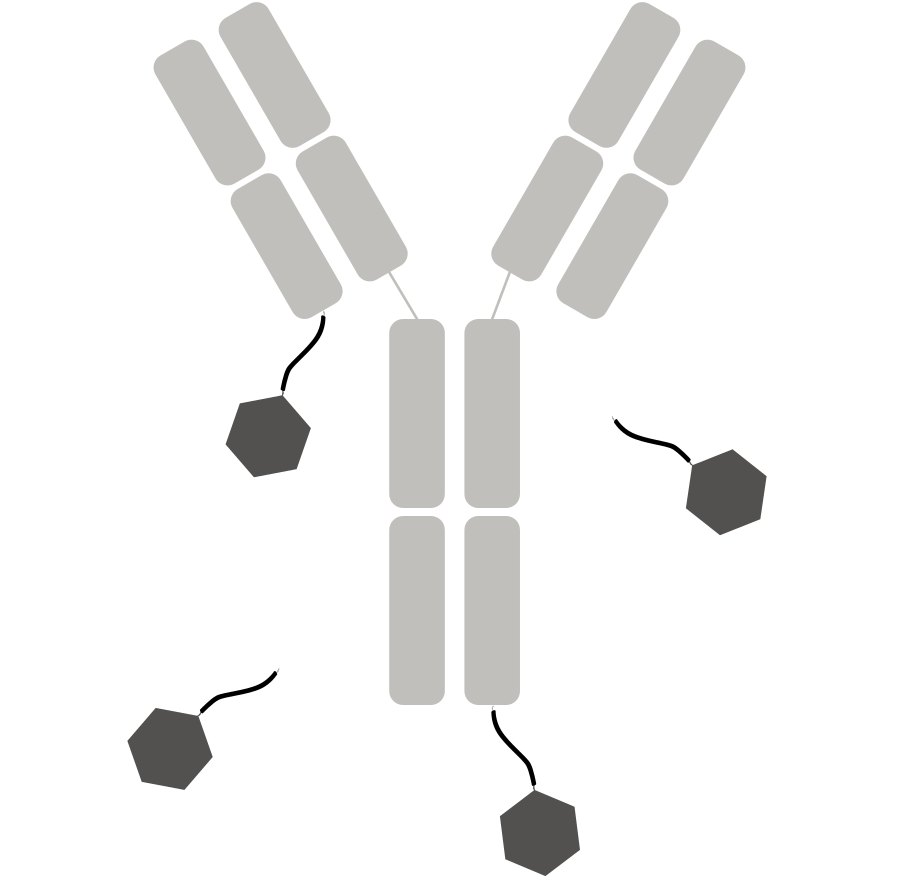
The reaction is reversible, or side reactions necessitate an early stop, leaving sites unconjugated. Some molecules carry fewer payloads or none, and free payload has to be removed.

Conjugation occurs at several sites, so the number and position of payloads vary from molecule to molecule.
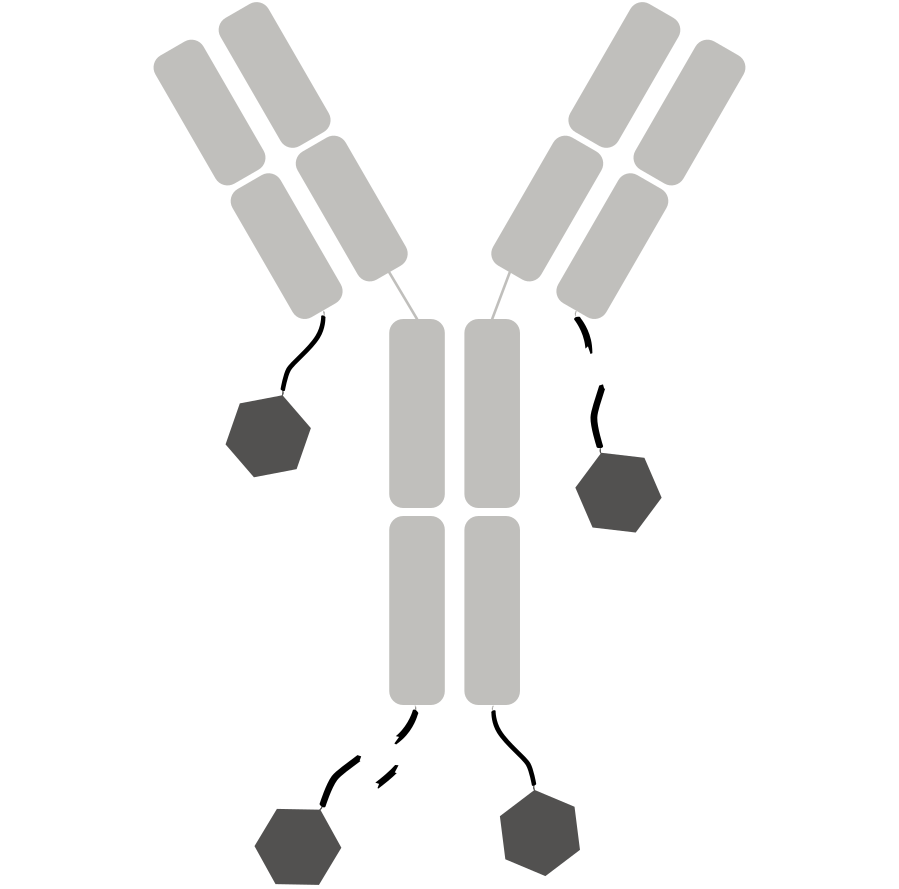
Common linkages, such as maleimide-thiol bonds, can come apart in the blood and release the payload before it reaches its target.
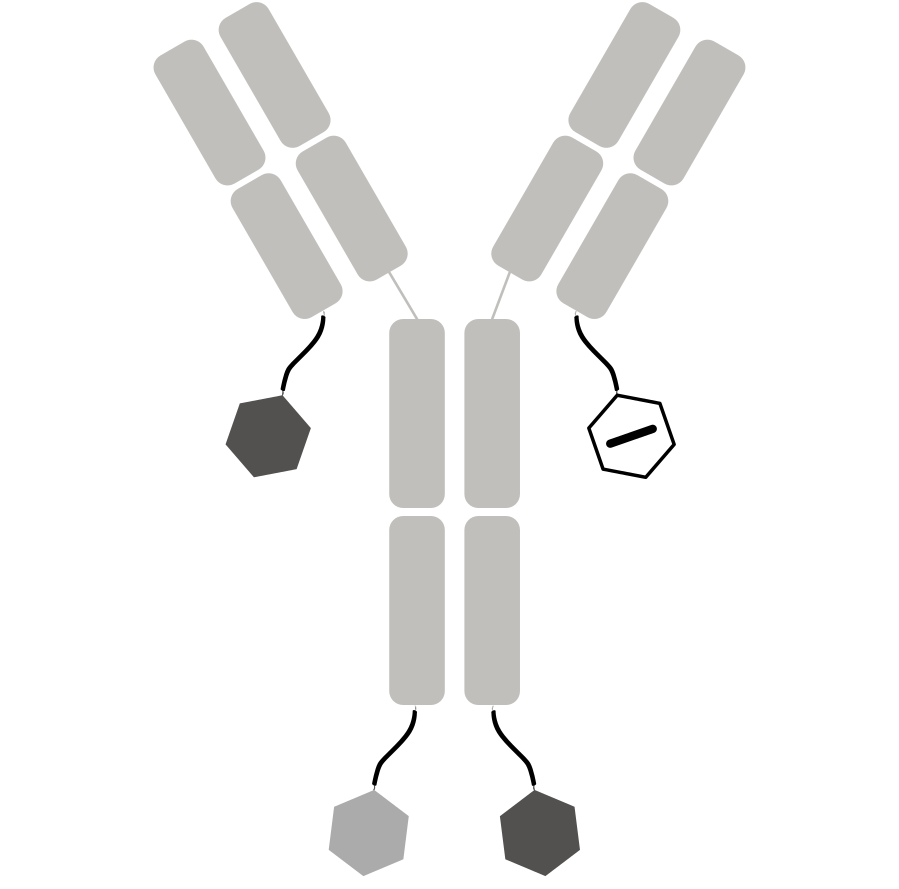
Competing reactions alter the conjugation site, leaving it permanently unavailable for conjugation.
Connectase, nature's only dedicated protein ligase, changes this: it connects two molecules with absolute specificity, every time, and finishes the job with up to 100% yield and no side products. Whether you're running experiments with our research kits, building homogeneous antibody conjugates or trying to connect any other two molecules, Connectase makes bioconjugation fast, clean and reliable.
Step 1: The 19 aa Lock-Tag binds in the Connectase enzymatic tunnel.

Step 2: It is locked via a hydrolysis-resistant amide bond.

Step 3: A 13 aa tag fragment is removed and digested.

Step 4: The 13 aa Key-Tag is fused to the Lock-Tag, releasing the product.

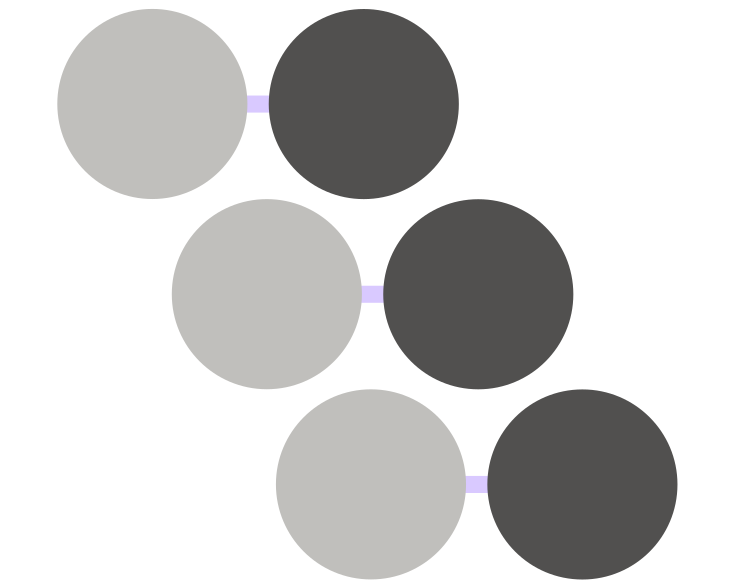
The reaction is free of side reactions and thermodynamically driven, resulting in up to 100% fusion product.

The 19 aa Connectase recognition sequence is unique in every sample, ensuring absolute specificity.
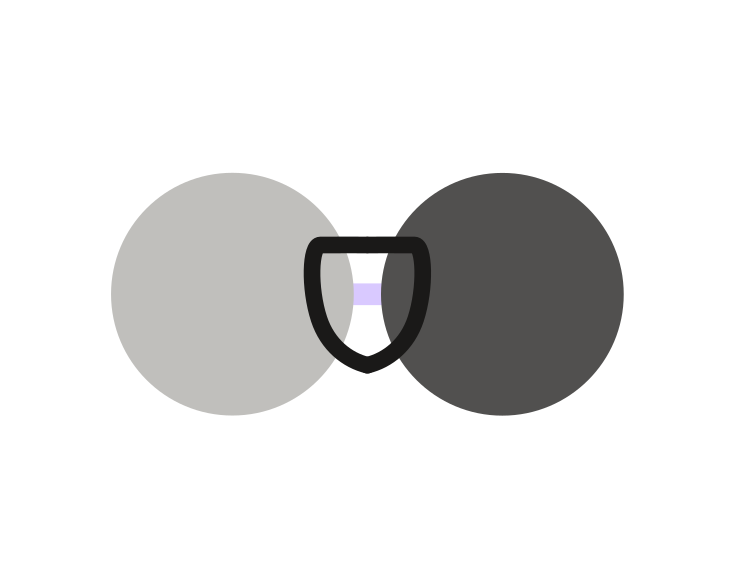
A regular peptide bond is created between the fusion partners.
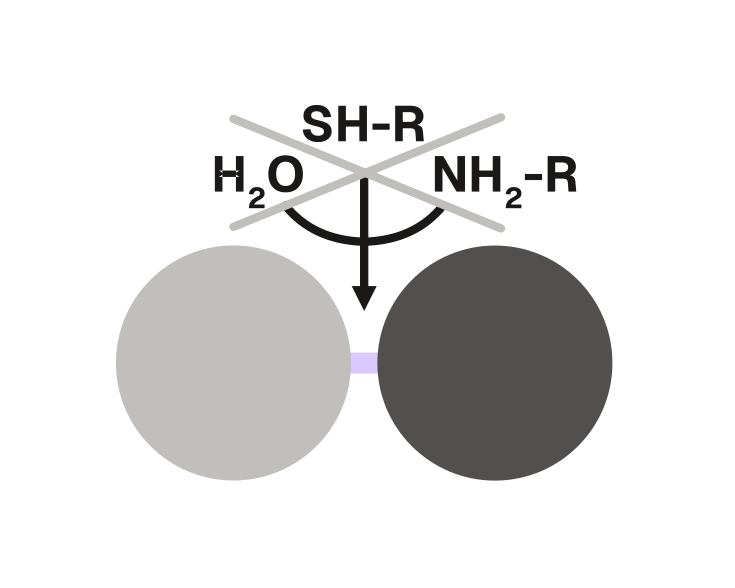
Connectase uses a reaction mechanism that sets it apart from all other transpeptidases and creates no side products.

The fusion reaction needs only short tags on the reaction partners and leaves a 19 aa linker between them.
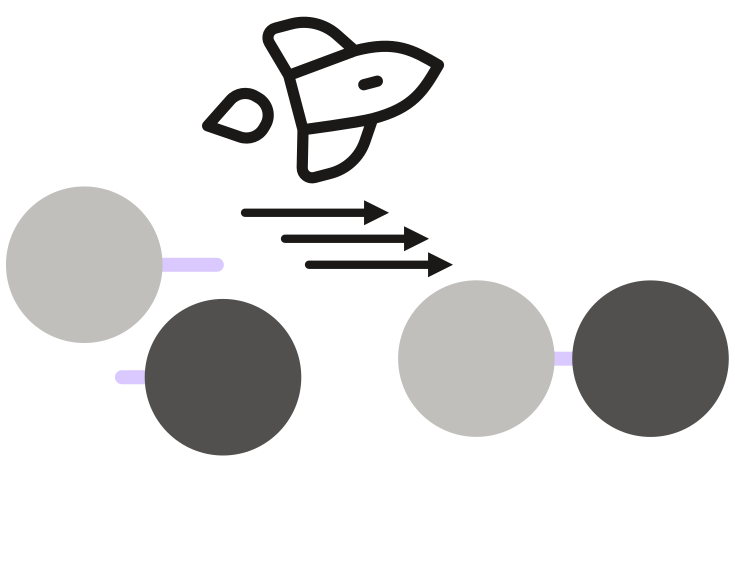
Connectase binds its substrates with nanomolar affinity, ensuring fast reactions even in very dilute solutions.
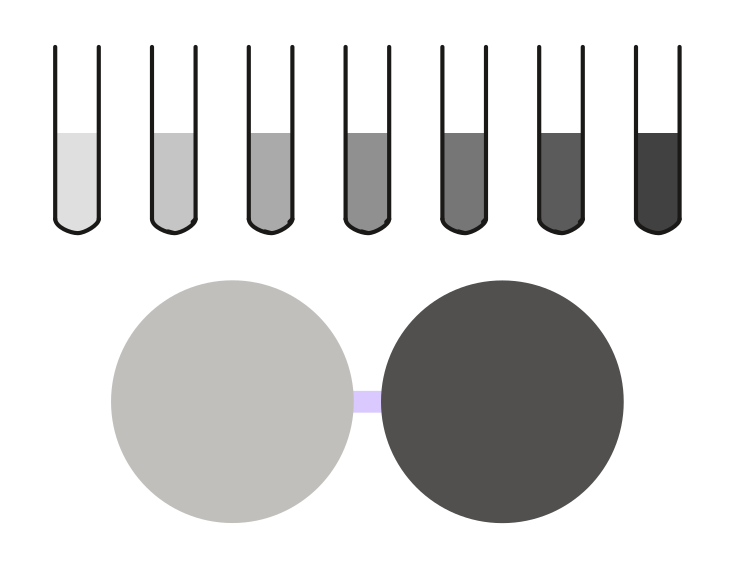
Connectase works over a wide pH and ionic strength range and tolerates additives such as detergents or chaotropes. It has no special buffer requirements.
The reaction requires only a short tag that can be genetically encoded or chemically synthesized.