Skip to content

The Connectase Project

The Connectase team walking along a beach

Vision

A world where joining proteins is no longer a question.

Every method available today asks the scientist to accept something less: an incomplete reaction, a side product, a harsh condition, a bond that doesn't hold. That compromise was never in the biology. It was in the tools.

Nowhere does it cost more than in medicine. An antibody carrying a drug to a cancer cell has to be built exactly — the right payload, in the right place, on every single molecule — and the methods used to build it were never designed for that job.

Precise, permanent, complete conjugation should be the expectation, not an achievement. In every laboratory and every manufacturing site where proteins are engineered, and in every therapy that depends on them.

Mission

We turn an enzyme that took three billion years to evolve into tools researchers can use, licenses partners can build on and processes manufacturers can run.

Values

Your result is the point.

Connectase Biotech exists because one scientist sent reagents to another and it worked on the first try. That is still the moment we are working toward — someone else's experiment, someone else's product, someone else's therapy, made possible by something we developed.

We say what it does.

What we say Connectase does is what Connectase does. Where something is still being established, we say that too, and when Connectase is the wrong tool for your problem, we will tell you before you try it.

The evidence is yours to generate.

Scientists are professional skeptics, not easily convinced by a supplier's figures. So tell us what you are trying to build, and we will help you make Connectase work in your hands — for your protein, your buffer, your therapeutic approach, your question.

All of this should be easy.

Three billion years of evolution went into Connectase. The sophistication is in the enzyme, not in complicated protocols — it works under standard conditions, using standard techniques, in one step. Whatever we build next is held to the same test: it must be simple, robust, elegant.

Our story

  1. Origin

    An archaeal enzyme, billions of years in the making, developed into a technology at Max Planck

    Connectase is an archaeal enzyme discovered at the Max Planck Institute for Biology during research into protein evolution. It joins two tagged partners through a covalent peptide bond — completely, specifically and without side reactions. No other enzyme does all three. Developing that discovery into a working technology took a further five years, resulting in two patent families and four peer-reviewed publications.

  2. Ahead

    Where this goes

    Protein conjugation has no standard. It will. There are a dozen methods, each with its own compromise, and researchers choose between them by deciding which limitation they can live with. Fields do not stay like this. As they mature, they converge on the method that stops requiring a choice.

    We intend Connectase to be that method: the one people reach for first in the laboratory, and the one drug developers build on when the join must be right every time. That is won by being in the right hands, doing real work, for long enough that the question stops being asked.

Co-founders

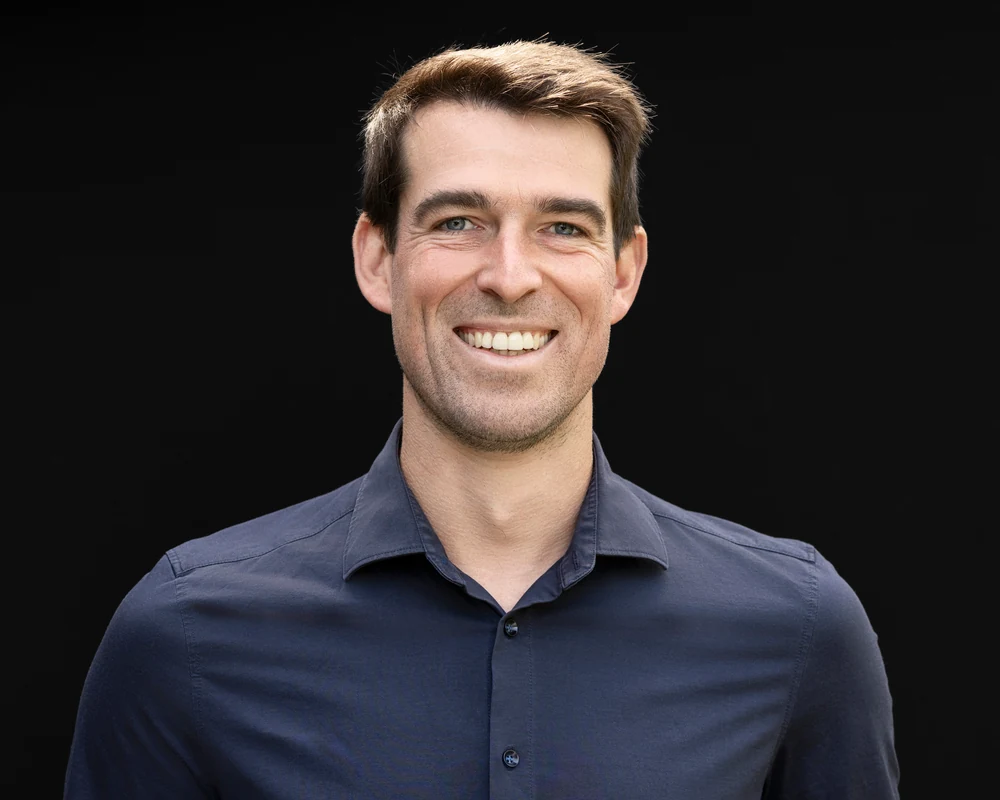
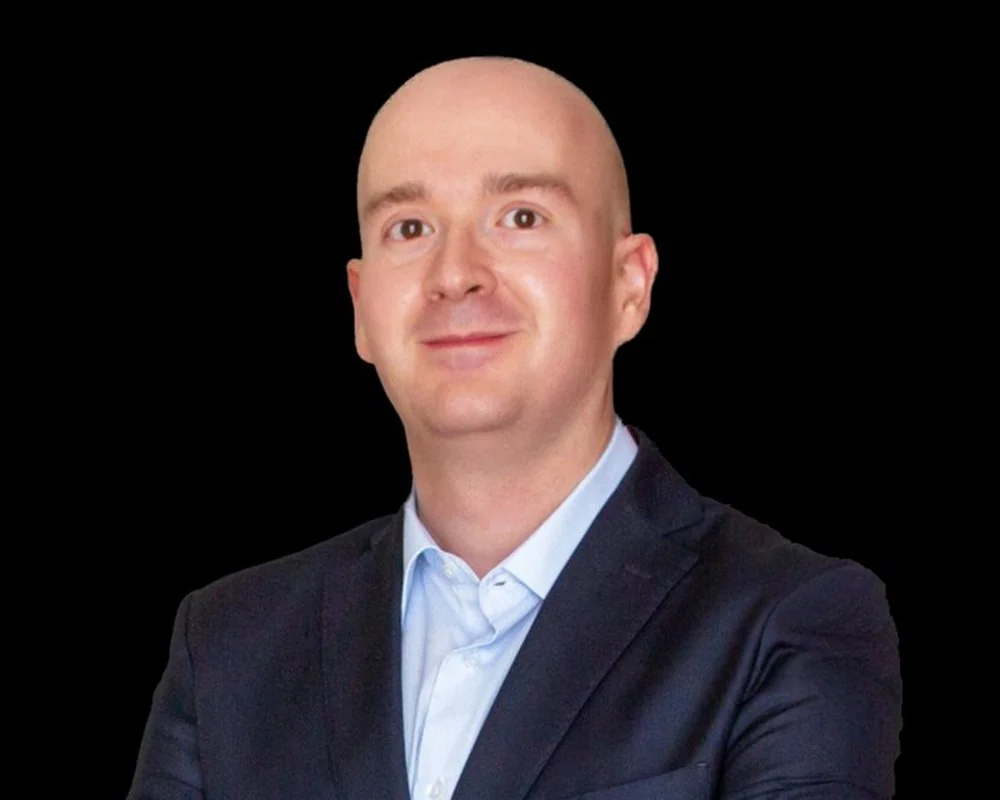
Portrait of Dr. Mikkel Noerholm

Mikkel is a life science executive, scientist and entrepreneur with more than 20 years of experience in biotechnology, diagnostics and life science product development. He held senior leadership roles at Exosome Diagnostics and founded Leopard Biosciences. He has extensive experience translating scientific innovation into commercial products.

Dr. Mikkel Noerholm

Business Development
Read moreShow less

Mikkel is a life science executive, scientist and entrepreneur with more than 20 years of experience in biotechnology, diagnostics and life science product development. He held senior leadership roles at Exosome Diagnostics and founded Leopard Biosciences. He has extensive experience translating scientific innovation into commercial products.

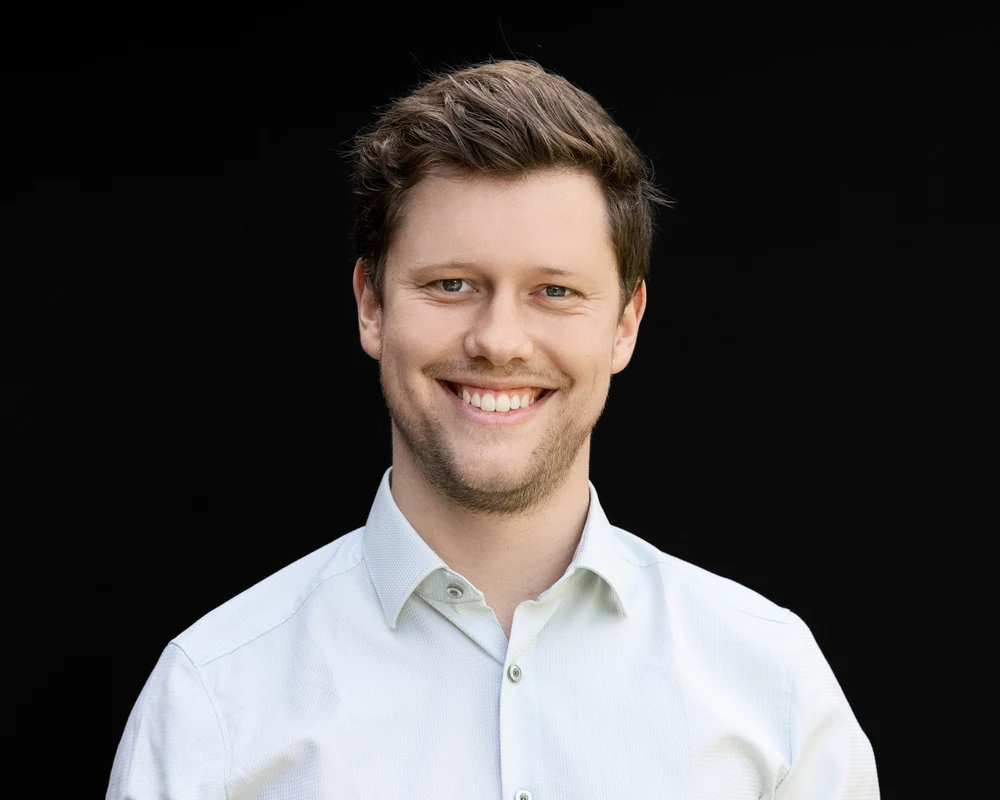
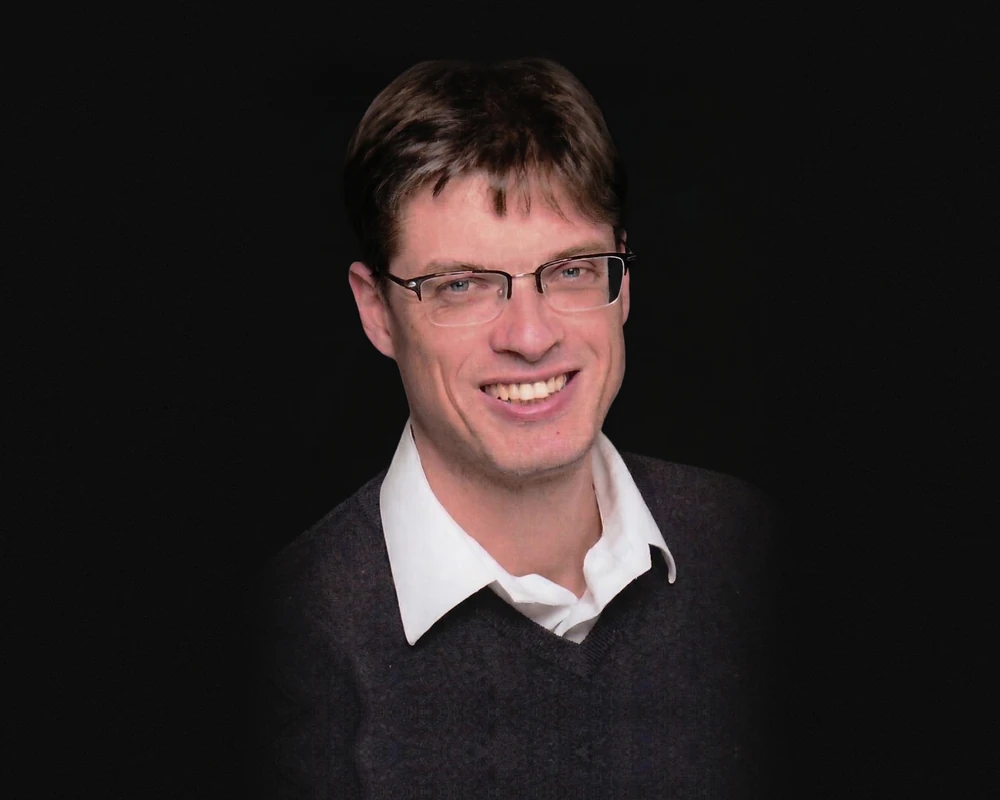
Portrait of Dr. Jens Wiehler

Jens built and scaled biotech business from SME to corporate, complemented with science management and startup support. He held key positions at Eurofins and BioM. 25 years of experience in enabling, applying and commercializing cutting-edge science meet high energy, an excellent network, and a focus on generating real value.

Dr. Jens Wiehler

Network & Commercialization
Read moreShow less

Jens built and scaled biotech business from SME to corporate, complemented with science management and startup support. He held key positions at Eurofins and BioM. 25 years of experience in enabling, applying and commercializing cutting-edge science meet high energy, an excellent network, and a focus on generating real value.

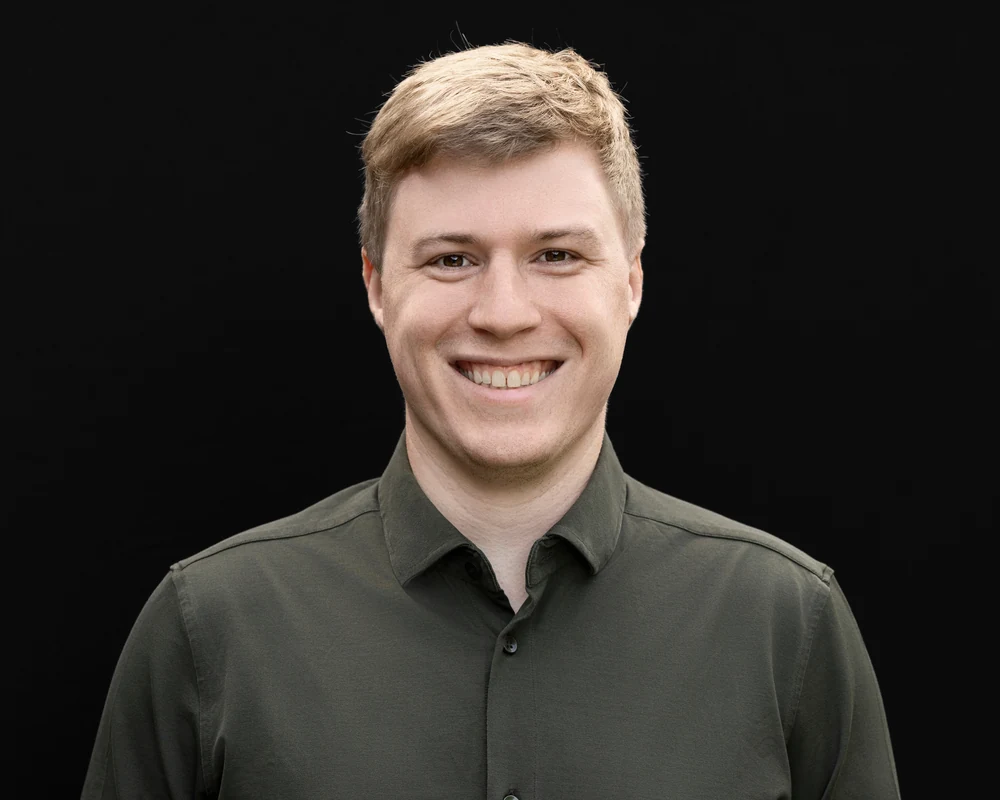
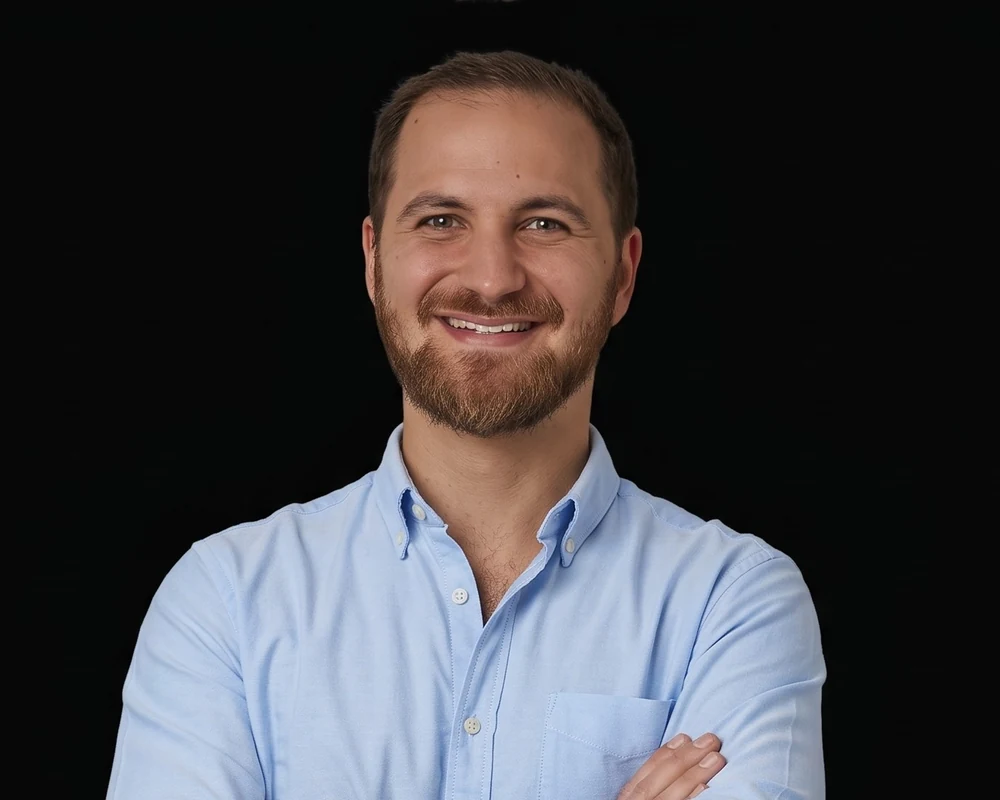
Portrait of Dr. Constantinos Patinios

Costas is a Research Professor at the EMBL Partnership Institute at Vilnius University, Lithuania. He has several years of experience developing early-stage startups and has contributed to the early adoption of Connectase in academic labs. Costas acts as an intermediary between academia and industry, and develops Connectase-based technologies in his research lab.

Dr. Constantinos Patinios

Research & Partnerships
Read moreShow less

Costas is a Research Professor at the EMBL Partnership Institute at Vilnius University, Lithuania. He has several years of experience developing early-stage startups and has contributed to the early adoption of Connectase in academic labs. Costas acts as an intermediary between academia and industry, and develops Connectase-based technologies in his research lab.

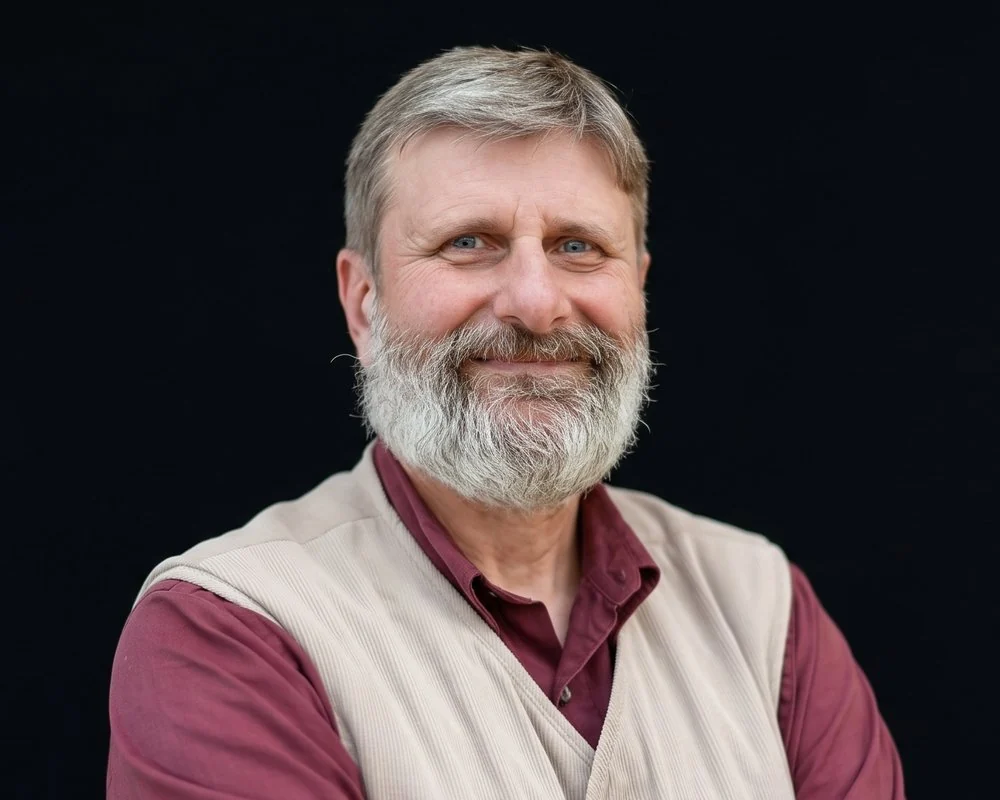
Portrait of Dr. Adrian Fuchs

Adrian discovered the function and catalytic mechanism of Connectase at the Max Planck Institute for Biology and developed a set of protein engineering applications based on it. He leads the scientific development.

Dr. Adrian Fuchs

Scientific Direction
Read moreShow less

Adrian discovered the function and catalytic mechanism of Connectase at the Max Planck Institute for Biology and developed a set of protein engineering applications based on it. He leads the scientific development.

Portrait of Dr. Janes Krusche

Janes received his PhD from the University of Tübingen and continued there as a postdoctoral researcher in infection biology. At Connectase, he leads the therapeutic development, examining how our conjugates behave in biological systems.

Dr. Janes Krusche

Therapeutic Conjugates
Read moreShow less

Janes received his PhD from the University of Tübingen and continued there as a postdoctoral researcher in infection biology. At Connectase, he leads the therapeutic development, examining how our conjugates behave in biological systems.

Portrait of Dr. Jason Stahlecker

Jason studied biochemistry and completed his PhD in pharmaceutical sciences at the University of Tübingen. He leads our kit development, combining scientific expertise with hands-on product development.

Dr. Jason Stahlecker

Kit Development
Read moreShow less

Jason studied biochemistry and completed his PhD in pharmaceutical sciences at the University of Tübingen. He leads our kit development, combining scientific expertise with hands-on product development.

Support team

Portrait of Prof. Dr. Andrei Lupas

Andrei is Director of the Department of Protein Evolution at the Max Planck Institute for Biology. His research on how protein folds arose and diversified has shaped the field of protein evolution, and his department is the scientific home of Connectase.

Prof. Dr. Andrei Lupas

Director, MPI for Biology
Read moreShow less

Andrei is Director of the Department of Protein Evolution at the Max Planck Institute for Biology. His research on how protein folds arose and diversified has shaped the field of protein evolution, and his department is the scientific home of Connectase.

Portrait of Dr. Dieter Treichel

Dieter has about 30 years of experience in the startup world. He has worked as an investment manager in venture capital, in business development, as CEO/CSO of biotech companies and as a startup manager at Max-Planck-Innovation.

Dr. Dieter Treichel

Advisor, Max-Planck-Innovation
Read moreShow less

Dieter has about 30 years of experience in the startup world. He has worked as an investment manager in venture capital, in business development, as CEO/CSO of biotech companies and as a startup manager at Max-Planck-Innovation.

Portrait of Francesco Grillo

Francesco is a technology transfer professional with 10 years of experience across the life sciences and pharmaceutical sectors. His expertise spans IP management, licensing, strategic partnerships and venture creation from academic research.

Francesco Grillo

Startup Manager, Max-Planck-Innovation
Read moreShow less

Francesco is a technology transfer professional with 10 years of experience across the life sciences and pharmaceutical sectors. His expertise spans IP management, licensing, strategic partnerships and venture creation from academic research.

Portrait of Dr. Matthias Klaften

Matthias is a serial entrepreneur and finance executive with around 18 years of experience in biotech and pharma, including at amcure and Eurofins. Today he supports life science companies with CFO services in finance and operations and mentors founders in leading startup programs.

Dr. Matthias Klaften

CEO, management4bio.tech
Read moreShow less

Matthias is a serial entrepreneur and finance executive with around 18 years of experience in biotech and pharma, including at amcure and Eurofins. Today he supports life science companies with CFO services in finance and operations and mentors founders in leading startup programs.